
GOTS and OEKO-TEX Certified Tall Clothing
FABRIC CERTIFICATIONS
WHAT WE SEW WITH AND WHAT PROVES IT
The fabrics we sew with are certified to GOTS and OEKO-TEX® STANDARD 100. Thanks to them, you know where the cotton comes from and that the fabric is safe for your skin. Below you'll find what each certification means and which of our materials have it.

Certification of the organic cotton fabric
MATERIALS OVERVIEW
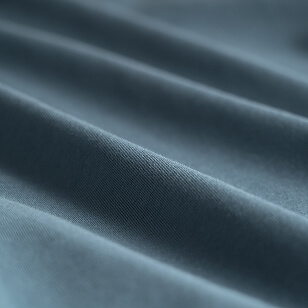 ORGANIC COTTONT-shirts, polo shirts, hoodies, sweatpants, shorts CertificationGOTS, OEKO-TEX® Class IWeight200-230 g/m²For youkeeps its shape and colour, doesn't pill
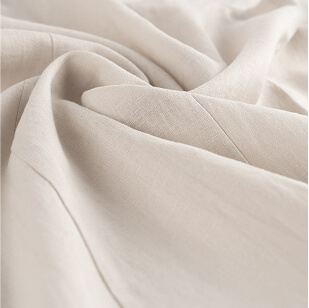 PRE-WASHED LINENshirts, trousers, shorts, dresses CertificationOEKO-TEX® Class IWeight170 g/m²For youkeeps its size, gets softer with washing
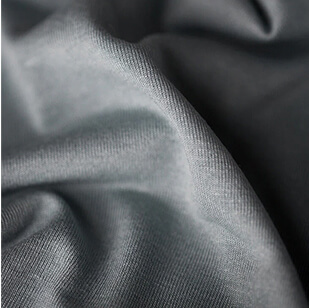 MICROMODALboxers, tank tops, pyjamas CertificationOEKO-TEX®Originbeech wood celluloseFor yousoft, breathable, absorbs sweat
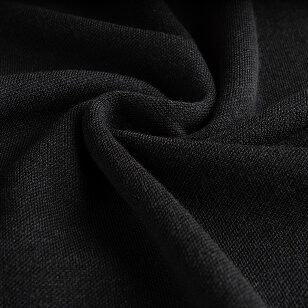 MERINOsweaters, roll necks, beanies, scarves CertificationOEKO-TEX®Originmulesing-free farms, yarn from the EUFinishSuperwash and TECFor youmachine wash on the wool cycle
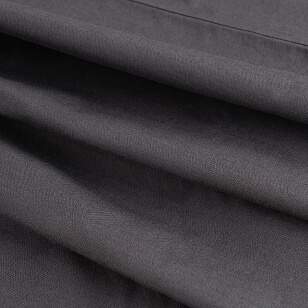 OXFORD AND FLANNELshirts CertificationOEKO-TEX®Weight150 / 170 g/m²For yousturdy cotton, flannel keeps you warm
 LYOCELLdresses, trousers, belts CertificationFSC® and PEFC woodProductionthe solvent is reusedFor youdrapes well, pleasant on your skin
GOTS
Global Organic Textile Standard. An international standard for textiles made from organic fibres. It checks the whole journey from the cotton to the finished fabric.
WHAT IT GUARANTEES
- at least 95% organic fibres
- no genetically modified seeds
- formaldehyde, toxic heavy metals and chlorine bleaching are banned
- dye houses treat their wastewater
- fair working conditions, no child or forced labour
- every fabric delivery has its own certificate
WHAT IT DOESN'T COVER
- the cut, length or sewing of the finished clothing
- how animals are treated, which is why we make sure our merino comes from mulesing-free farms
We have it for our organic cotton.
STANDARD 100
Safe for your skin. An independent laboratory tests the fabric for harmful substances. The closer the clothing is to your skin, the stricter the limits.
WHAT IT GUARANTEES
- tested for more than 1,000 harmful substances
- PFAS, the so-called forever chemicals, are banned
- cotton and linen in Class I, the strictest one, intended for baby clothing
- the certificate is renewed regularly
WHAT IT DOESN'T COVER
- whether the cotton is organic, that's what GOTS is for
- working conditions in production
Our cotton knits, linen, viscose, merino, micromodal, Oxford and flannel all have it.
HOW WE VERIFY IT
- FibreOrganic cotton, linen or wood from certified sources.
- FabricThe textile mill holds GOTS or OEKO-TEX® certification and is inspected regularly.
- DeliveryWith every delivery of organic cotton we receive a certificate confirming it's certified material.
- SewingWe sew the clothing from the fabric mainly in Czech workshops.
GLOSSARY
GOTS
Global Organic Textile Standard. An international certification for textiles made from organic fibres. It covers where the cotton comes from, the chemicals used in dyeing, water treatment and working conditions.
OEKO-TEX® STANDARD 100
A certification confirming that the fabric contains no harmful substances. It's tested by an independent laboratory.
Class I
The strictest of the four OEKO-TEX® classes. It applies to baby clothing, so it has the lowest permitted limits.
Organic cotton
Cotton grown without genetically modified seeds, synthetic fertilisers or pesticides.
Delivery certificate
A document the textile mill issues for every fabric delivery. It confirms that those particular metres of fabric really are made from certified material.
PFAS
The so-called forever chemicals. They were used to repel water and stains and barely break down in nature or in the body. OEKO-TEX® bans them.
Pre-washed linen
The fabric is washed during production. So it shrinks in advance and keeps its size once it's at your place.
Micromodal
A very fine fibre made from beech wood cellulose. It's soft, breathable and absorbs sweat well.
Lyocell
A fibre made from wood cellulose. Fabric made from it drapes well and is pleasant on your skin.
Closed loop
The way lyocell is made. Wood pulp is dissolved in a non-toxic solvent, fibres are drawn from the solution, and the solvent is captured, cleaned and used again. Almost nothing gets into nature.
FSC® and PEFC
International forest certifications. They guarantee that the wood comes from forests where trees are replanted after felling and nature is protected.
Mulesing
A painful procedure on merino sheep in which the skin around the tail is cut away so that flies don't lay eggs in the folds. Our merino comes from farms that don't do it.
Superwash
A merino wool finish that smooths the surface of the fibres. The fibres don't hook into each other in the wash, so the wool doesn't shrink or felt.
TEC (Total Easy Care)
A label for wool you can machine wash and tumble dry on the wool cycle.
WHAT IS CERTIFIED AND WHAT ISN'T
The GOTS certificate belongs to the fabric, not the finished garment. Our workshops don't hold their own GOTS certification, and yet we know exactly how our clothing is made.
We choose fabrics based on where the fibre comes from and how it's handled during production. We sew mainly in Czech workshops that we work with directly, so we know the conditions people work in there and we're sure everything is fair.
GOTS certification for sewing is strict and keeping it up takes a lot of paperwork and money. We'd rather put that into quality fabric and honest sewing, not into the price of the clothing.
FREQUENTLY ASKED QUESTIONS ABOUT CERTIFICATIONS
What does GOTS certification mean for clothing?
GOTS (Global Organic Textile Standard) confirms that the fabric is made from organic fibres and that the rules on chemicals, wastewater treatment and working conditions were followed during its production. The whole journey from the cotton to the finished fabric is checked.
What percentage of organic cotton does a GOTS certified fabric need?
To carry the “organic” label, a fabric must contain at least 95% organic fibres. Fabrics with 70 to 95% are labelled “made with organic”. Our cotton fabrics meet the 95% threshold.
What's the difference between organic and regular cotton?
Organic cotton is grown without genetically modified seeds, synthetic fertilisers or pesticides. With GOTS certification, dyeing, finishing and working conditions are also checked. With regular cotton, none of this is verified.
Is TallGuys clothing GOTS certified?
The organic cotton we use for our T-shirts, polo shirts, hoodies, sweatpants and shorts is GOTS certified. We sew the finished clothing mainly in Czech workshops that we work with directly, so we know the conditions it's made in.
Is the cotton just as good even though TallGuys doesn't have its own GOTS licence?
Yes. The quality and origin are guaranteed by the certified fabric. Our own licence would only allow us to put the GOTS logo directly on the clothing.
What's the difference between GOTS and OEKO-TEX®?
GOTS covers where the fibre comes from and the entire fabric production: organic cotton, banned chemicals, water and working conditions. OEKO-TEX® STANDARD 100 covers the finished fabric: a laboratory verifies that it contains no harmful substances. Our organic cotton has both certifications.
What does OEKO-TEX® STANDARD 100 Class I mean?
Class I is the strictest of the four classes and is intended for baby clothing. A fabric in this class must meet the lowest limits for harmful substances. Our cotton and linen are both certified in Class I.
Is OEKO-TEX® clothing suitable for sensitive skin?
Yes. Fabrics with OEKO-TEX® STANDARD 100 certification are tested for more than 1,000 harmful substances, so they're suitable for sensitive skin too.
Which TallGuys materials are OEKO-TEX® certified?
Organic cotton, pre-washed linen, viscose for LIVIA trousers, merino for sweaters, micromodal for boxers and pyjamas, and the fabrics for Oxford and flannel shirts.
Is TallGuys merino wool kind to sheep?
Yes. The wool comes from farms that don't practise mulesing, a painful procedure in which the skin around the sheep's tail is removed. The yarn is made by a European spinning mill.
Can I machine wash a merino sweater?
Yes. The yarn has a Superwash finish, which keeps the wool from shrinking or felting in the wash, and a protective TEC (Total Easy Care) finish. That's why you machine wash merino on the wool cycle, and you can even tumble dry Heavy sweaters on the same cycle.
What is micromodal made from?
From beech wood cellulose. It's soft and breathable, which is why we use it for boxers, tank tops and pyjamas. The fabric is certified to OEKO-TEX® STANDARD 100.
CHOOSE A PIECE IN CERTIFIED COTTON
T-shirts, hoodies and sweatpants in GOTS certified organic cotton, in elongated cuts for tall people.
ORGANIC COTTON MATERIAL CARE